
This past October I learned that there was a Brachial Plexus Palsy (BPI) awareness week, the medical condition that I have had since birth. It’s a little late to contribute to that week, but I can use it as a springboard to share more of my story growing up with this disability. I have shared information about BPI in the past, so I don’t want to repeat too much of what’s already been said. I do want to shed new light on areas not discussed. First, I’ll share the minimum background information.
I was born in the mid 1980’s and was too big for my mom. I was 24” tall and weighed 11lbs 9oz. My mom is quite small, being 5’0”. The combination of large baby and small mother was complicated. My left shoulder became stuck in the birth canal while being delivered. This is called shoulder dystocia. In order to get me out and make sure I didn’t die, the midwife elected to pull on my head to free me. Doing this stretched the nerves leading from my neck into my left arm which caused me permanent nerve damage. The nerve bundle that was damaged is called the Brachial Plexus. Brachial Plexus Palsy is a type of paralysis of my affected arm caused by the lack of nerve signaling. I can use my arm, but it is limited in sensation, range of motion, and strength.
It is a physical disability, but it’s very non-apparent to most people. In this regard, you could call it an “invisible” or “hidden” disability. This is the heart of what I wanted to talk about today. When you have a non-apparent disability, you tend to feel like you’re carrying a weight with you everywhere you go. You always have a little extra to think about, such as “Can I do that?” “How can I do that?”
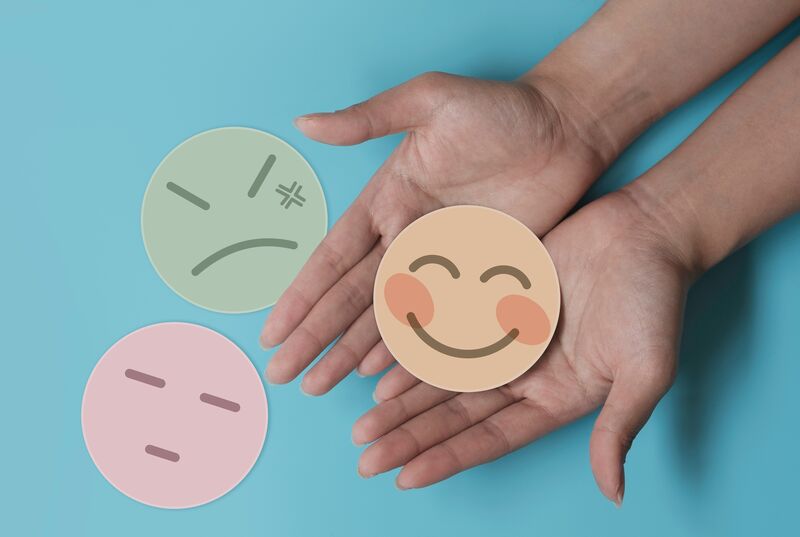
When I was younger, I had thoughts of “Do I look weird?” and “Are people judging me?” I can only speak for myself, but I can confirm that many others like me share those experiences. I’d come to realize that most of “what others think” was in my own head and that even if they did mind, they don’t matter. Because my disability is non-apparent, it’s easy to feel a sense of isolation, especially as a younger person. You don’t have the opportunity to talk to many people who understand what you’re going through daily. In my case, I didn’t know that what was wrong with my arm had a name, that it was an actual medical condition. My parents didn’t tell me anything about why my arm was different until I was old enough to drive a car.
A counterargument one could pose is that everyone is carrying a weight, some unseen issue running in the background of their being. This is true. I think most people have the experience of carrying something extra that’s going on in their lives. But so do people with disabilities. They get an extra layer to deal with, on top of the normal human experience. Having a disability is having a weight that you can’t shed, and the fatigue of constant barriers is hard to carry. That’s why access barriers are so important for people with disabilities. Going out in public always carries the risk that you won’t be able to do what your fellow citizens can do. It’s also why when access is deliberately implemented, that state of being is equally appreciated.
Access barriers don’t have to look like a stair to enter a salon. It can be a medical office refusing to book an appointment because someone needs a sign language interpreter. It can be an employer assuming their assistant manager can no longer perform their job duties because they were hit by a car and had a traumatic brain injury (TBI). Access barriers come in as many forms as people with disabilities, which is countless. The intent of the ADA was to highlight that there is a responsibility to recognize these barriers as they happen and do what’s reasonable to ensure people with disabilities can participate equitably.
I no longer feel the sense of isolation that I once carried with me as a child. I immersed myself in a community of people with disabilities by pursuing paralympic sport, but that’s not the only way people who may feel like I did may seek relief. Various non-profits exist that can help to connect people with uncommon experiences to each other. Social media groups also exist, but understand that, like all social media, those can be good or bad depending on what voices are the loudest. Vocalizing your thoughts and feelings to trusted loved ones can be a step towards healing, instead of keeping things bottled up.
Mental health problems in our country are at an epidemic level, but taking meaningful steps to improve our own mental health is not difficult. I believe that having a disability puts someone at a higher risk of having poor mental health, but it does not need to be that way. We are a community here to help each other succeed.