
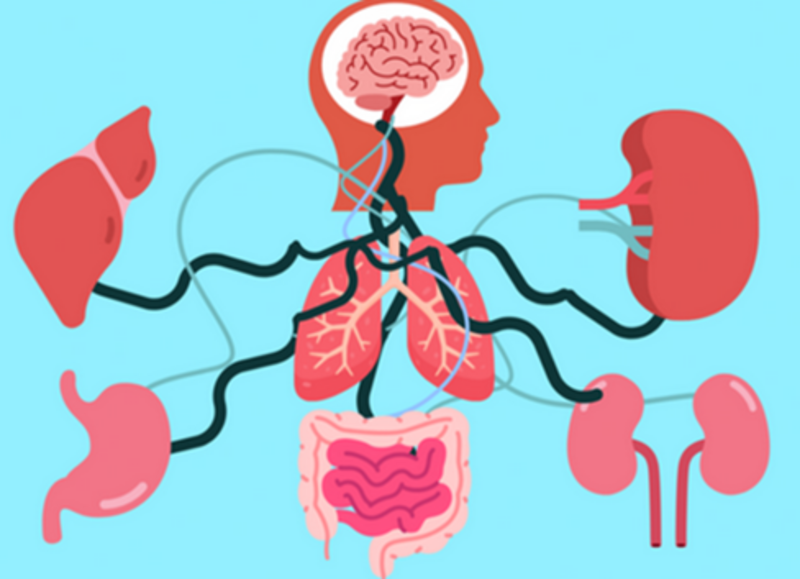
The Polyvagal Theory, proposed by Dr. Stephen Porges, offers a comprehensive understanding of the autonomic (automatic) nervous system's response to stress and threat. The theory provides valuable insights into managing certain disabilities and promoting overall well-being. It emphasizes the role the autonomic nervous system, especially the vagus nerve and how it regulates our health and behavior. The vagus, or vagal nerve, is the tenth cranial nerve in the human body and it plays an important role in regulating various involuntary bodily functions. Understanding Polyvagal Theory can significantly benefit individuals with certain disabilities by facilitating self-regulation, improving social engagement, and enhancing resilience.
The three branches of the vagus nerve, as defined by the Polyvagal Theory, are:
- Ventral Vagus (Social Engagement System): This is the most evolved branch of the vagus nerve, responsible for promoting social engagement, connection, and calmness. It facilitates communication, empathy, and trust, and is associated with the "rest and digest" response, which supports digestion, immune function, and overall health.
- Dorsal Vagus (Defense and Immobilization): This branch is associated with the "freeze" response, which is activated when fight or flight is not an option. It can lead to immobility, dissociation, and a shutdown of metabolic processes.
- Ventral Vagus (Mobilization): This branch is associated with the "fight or flight" response, which prepares the body for action and increases heart rate, blood pressure, and muscle tension.
The Polyvagal Theory has significant implications for understanding and addressing certain disabilities, particularly those related to social engagement, emotion regulation, and communication. Here are some key connections:
- Autism Spectrum Disorder (ASD): Difficulties with social engagement, emotion regulation, and communication can be linked to disruptions in the ventral vagus branch. Research shows altered vagal tone in individuals with ASD. Vagal tone refers to the baseline activity level of the vagus nerve, a key component of the parasympathetic nervous system that regulates heart rate, digestion, and other involuntary functions. A high vagal tone indicates a state of relaxation and calm, while a low vagal tone is associated with stress, anxiety, and inflammation. Measuring vagal tone, often through heart rate variability (HRV) analysis, provides insights into an individual's overall health and resilience.
- Trauma and Post-Traumatic Stress Disorder (PTSD): Traumatic experiences can lead to autonomic nervous system dysregulation, resulting in symptoms such as anxiety, depression, and social engagement difficulties.
- Attention Deficit Hyperactivity Disorder (ADHD): Some research suggests altered vagal tone and reduced vagal reactivity in individuals with ADHD, which may contribute to difficulties with attention, emotion regulation, and social engagement.
Neurodivergent individuals, or those whose neurological development and functioning differing from neurotypical, can significantly benefit from the Polyvagal Theory through the following:
- Understanding Sensory Processing Differences: The Polyvagal Theory helps explain sensory processing differences among neurodivergent individuals, enabling better coping strategies and accommodations.
- Promoting Social Engagement: Understanding the social engagement system can help neurodivergent individuals develop more effective communication strategies and foster a sense of connection and belonging.
- Regulating the Autonomic Nervous System: Activating the vagus nerve through techniques like deep breathing, singing, humming, or even cold exposure can help regulate the autonomic nervous system thus reducing anxiety and improving mood.
- Improving Gut-Brain Connection: Understanding the gut-brain connection can help address gastrointestinal issues in neurodivergent individuals by promoting a healthy gut microbiome through diet and probiotics.
- Enhancing Resilience: Recognizing and managing stress and trauma responses can help neurodivergent individuals enhance their resilience and better cope with adversity.
While it offers valuable insights into the relationship between the nervous system and social engagement, the Polyvagal Theory is not a “cure” for neurodiversity, including those associated with conditions like autism, ADHD, dyslexia, and others. These conditions are neurodevelopmental in nature and are not caused by a lack of social engagement or communication, which is what the Polyvagal Theory primarily addresses.
In summary, the Polyvagal Theory offers a valuable framework for understanding the neurobiological foundation of social engagement, emotion regulation, and communication, which are often disrupted in individuals with certain disabilities. By promoting ventral vagal tone and supporting the development of the social engagement system, interventions and therapies can be designed to improve outcomes for individuals with disabilities.
References:
- https://www.traumatherapistinstitute.com/blog/Exploring-Polyvagal-Theory-and-Autism-Cultivating-Safety-and-Connection
- https://www.polyvagalinstitute.org/whatispolyvagaltheory
- https://affectautism.com/2020/08/24/polyvagal/
Guest blogger today is RMADAC Advisory Committee member Aaron Combe, who is the Human Resources Manager at DDRC.