
Being ready for the unexpected is important for everyone but especially for those with disabilities or who have access and functional needs. 2025 has barely begun and we have already experienced a range of calamities all around us. Are you prepared in case disaster strikes?
While the ADA requires agencies to prepare for all types of disability needs, each individual should ensure they are also prepared. The Federal Emergency Management Agency (FEMA) is the lead agency in our nation to respond to emergency and crisis situations. FEMA coordinates with other agencies to fulfil its mission of "helping people before, during and after disasters." Having a plan in place BEFORE it's needed can be crucial! Here are some recommendations from FEMA to help yourself be better prepared for an emergency:
- Have a support network that can be available to assist you if needed.
- Plan ahead for accessible transportation for evacuation or for medical help.
- Prepare for how to use medical equipment in the case of a power outage.
- Wear medical alert tags or bracelets.
- Keep model information on any assistive devices or equipment you use, as well as where the equipment may have come from (Medicaid, Medicare, private insurance, etc.).
- Keep a list of all medications.
- Build a Kit with basic survival supplies and any individual needs you may have. For example:
Deaf or Hard of Hearing
- Extra hearing-aid batteries.
- Pen and paper.
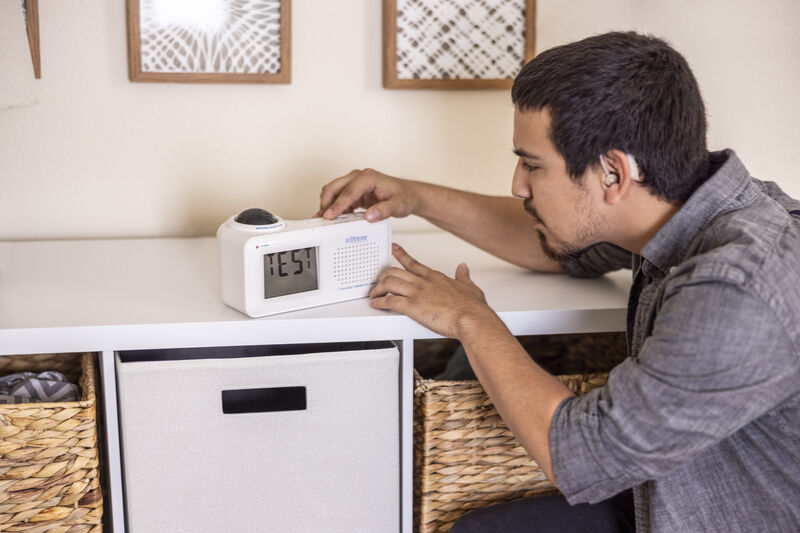
- Weather radio with text display and a flashing alert.
- Smartphone apps, including the FEMA App.
- Keep a note of your communication preferences.
- Photos of valuable items such as hearing aids, cochlear implants, etc. in case they are lost for insurance purposes.
Blind or Low Vision
- Keep a list of emergency supplies on a portable flash drive or an audio file and keep in a safe place.
- Keep a Braille or deaf-blind communications device handy if appropriate.
Mobility Disability
- Have a lightweight manual chair as a backup if you normally use a power chair.
- Have extra mobility devices (such as a cane or a walker) available if you use one.
- If you must evacuate without your wheelchair, take your protective seat cushion with you.
Diabetes
The Center for Disease Control (CDC) recommends:
- Pack enough supplies for at least 1-2 weeks.
- Include insulin and syringes, glucose meter, extra batteries for meter and/or insulin pump, alcohol wipes, an empty container for syringes, needles and lancets.
- Glucose tablets or quick carbs for low blood sugar.
These are only a few suggestions. For more ideas on how to prepare, check out these resources: